Basic Digital Photography Workshop
Stop shooting in auto mode — take control of your camera from day one and unlock your creative potential.
 Offered byInstituto IMAGO
Would you like to learn photography and pick up a hobby that breaks up your routine? This photography course will teach you the essential settings to unlock your creative potential and get the most out of your camera in manual mode.
What will i learn
At the end of this program, you will be able to:
- You'll master the basic techniques for operating a digital camera in manual mode.
- You'll learn how to meter and adjust exposure using aperture and shutter speed.
- You'll understand how and when to adjust sensitivity (ISO).
- You'll get a thorough understanding of the exposure triangle.
- You'll discover what white balance is and how to use it.
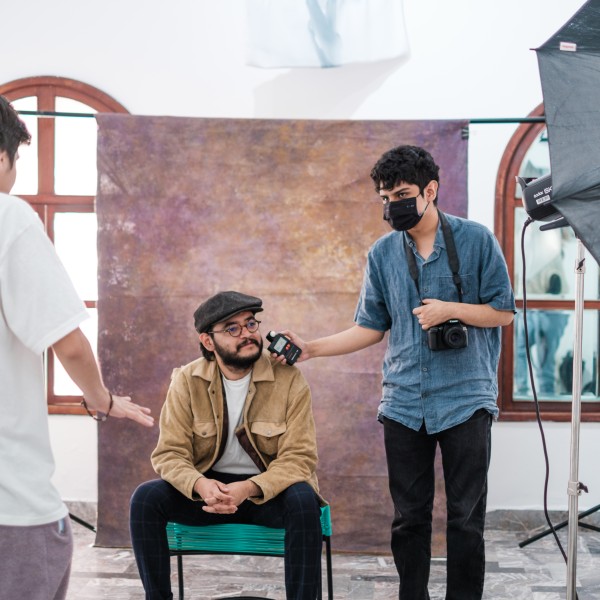
- You'll learn how to work with a studio flash, a light meter and light modifiers.
- You'll master the basic techniques for capturing quality portraits, landscapes and artistic nudes.
- You'll learn the basics of photographic optics, how lenses are classified and what each type is used for.
- You'll discover the differences between types of cameras.
Skills you will develop
- Studio flash lighting setup
- Autofocus Settings
- Panning and freeze motion control
- Depth of field control
- White balance control
- Manual focus control
- Manual exposure control
- Manual ISO Control
- Mastering Lenses
- Managing RAW and JPEG formats
- Exposure Metering Modes
- Types of cameras
- Using burst shooting
- Using a handheld light meter
- Using professional light modifiers
Description
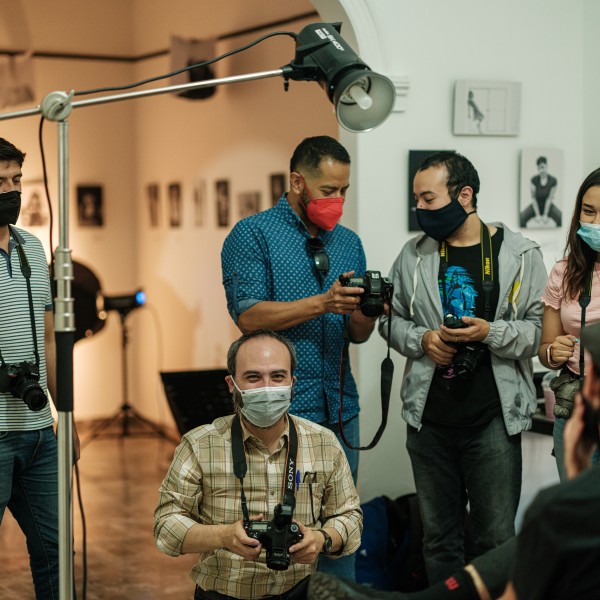
The Basic Digital Photography Workshop is the ideal course if you want to start learning the technical fundamentals of photography. It strikes the perfect balance between essential theory and plenty of hands-on practice. In just six weeks, you'll be able to operate your digital camera in manual mode and get to grips with the basics of studio lighting.
By the end of the course, our goal is for you to have the knowledge you need to get the most out of your camera equipment and produce stunning, professional-quality photographs. A workshop where you learn from expert instructors.
Includes
- Ai tutorLearn with ai trained on the content of this course. Expert ai tutor available 24 7.
- 16 online resourcesOnline resources are educational materials in video, text or image that you can consult at any time.
- Godox SK400II and Bowens GM400RX studio lighting equipment
- Certificate of completion
Structure and duration
Duration: 6 weeks
One 4-hour class per week.
Costs of this program
- Admission fee
- $219.02 USD
- Monthly tuition
- Not applicable for this program
- Re-enrollment fee
- Not applicable for this program
Topics in this program
6 topicsTopic 1. General Fundamentals of Photography
- The "magic" of photography: the basic principles behind it.
- The camera obscura. A brief history of how photography came to be.
- Digital photography: similarities and differences with analogue photography.
- Camera classification by viewfinder type: rangefinder, DSLR and mirrorless.
- Camera classification by product range.
- Parts of a digital camera. Correct use of the shutter button. The mode dial. Functions of the control wheel. Other camera controls and buttons.
- MANUAL Mode on a digital camera. How the shutter and aperture work. Essential exposure settings (shutter speed) and intensity (aperture). The concept of a STOP in photography.
- Photometry. Using the built-in light meter. Overexposure, underexposure and correct exposure.
- Demonstration exercises in the workshop and individual practice.
- Summary: general foundations of photography
- Inside the camera obscura: Abelardo Morell
- The origins of photography 00:05:30
- Photography goes public 00:06:23
- The arrival of the 35mm camera 00:07:18
- The digital camera 00:09:54
- Understanding the differences between rangefinder, reflex and mirrorless cameras 00:14:50
- The main components of a digital camera 00:16:00
- An introduction to exposure 00:10:42
- Metering exposure with the built-in light meter 00:06:14
- Finding the dials to adjust exposure 00:04:34
Topic 2. How a Digital Camera Works
- The digital sensor and how it works. Similarities and differences with photographic film.
- The relationship between sensor size, megapixels and image quality.
- Understanding sensitivity in the digital sensor. ISO. How to use sensitivity to achieve better image quality.
- The exposure triangle. The law of reciprocity. The side effects of each exposure setting.
- Colorimetry. Colour temperature. White balance settings. Kelvin values. Preset adjustments.
- Individual practical exercises.
- An introduction to ISO sensitivity 00:05:26
- Creative effects of exposure and ISO settings 00:07:18
- The exposure triangle 00:06:55
- Overview: How the Digital Camera Works
Topic 3. Photographic Optics
- General concepts in photographic optics: focal plane, no-parallax point, focal length, hyperfocal distance.
- Classifying lenses by focal length. Three main groups: wide-angle, standard and telephoto. Specialist lenses: fisheye, macro, tilt and shift. When and why to use each one.
- Fixed focal length and variable focal length lenses. Key characteristics.
- The focal length crop factor.
- Other advanced digital camera settings: colour space and additional configurations.
- Putting all the knowledge acquired so far into practice.
- Core concepts in photographic optics 00:09:41
Topic 4. Introduction to Studio Lighting.
- Artificial light. What it is used for.
- Types of lighting. Continuous lights and flash lights. Key characteristics.
- Flash. The qualities of its light. Aesthetic properties. Types of flash.
- The main components and operation of flash. The flash head, the generator and the hot shoe or sync connection.
- Guide numbers (GN). Calculating the guide number. The inverse square law.
- Accessories for studio flash. Groups of light modifiers: parabolic reflectors, umbrellas and softboxes. Characteristics and practical uses of each.
- Portrait exercises with studio flash lighting.
Topic 5. Studio Portrait Practice
- Light positions. The Millerson clock.
- The effects of light position on texture and volume.
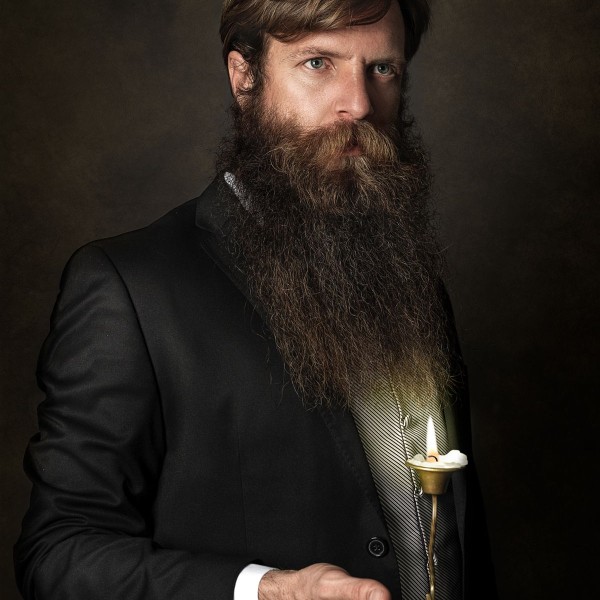
- Basic portrait lighting setups. Rembrandt lighting, Caravaggio lighting, Paramount lighting, and more.
- Basic elements of portrait composition.
- Portrait practice.
Topic 6. Final Practice. Nude Session. Conclusions.
This session is designed as a wrap-up to the workshop. Students will carry out a nude photography shoot using natural light and/or flash, with the option of combining both light sources.
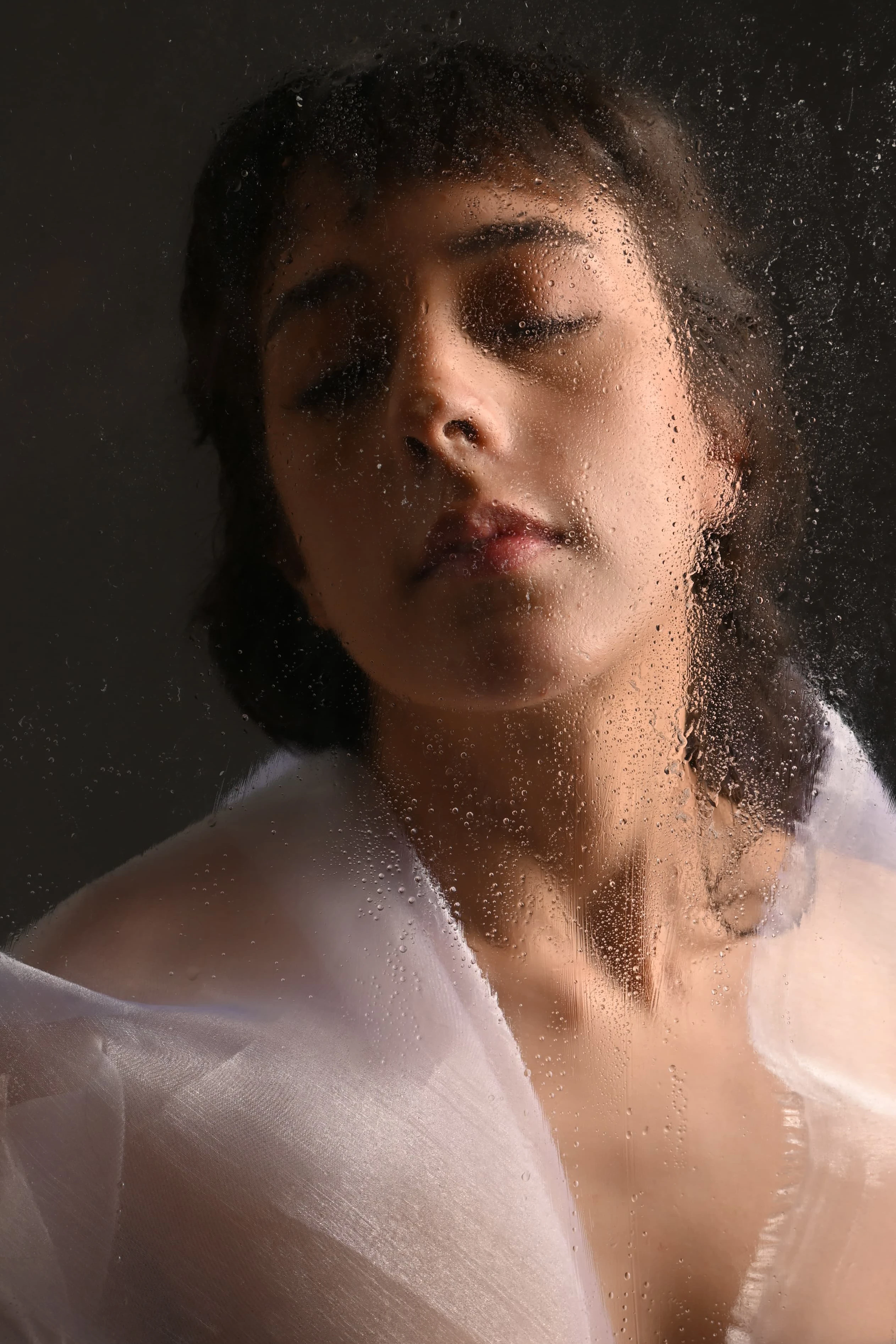
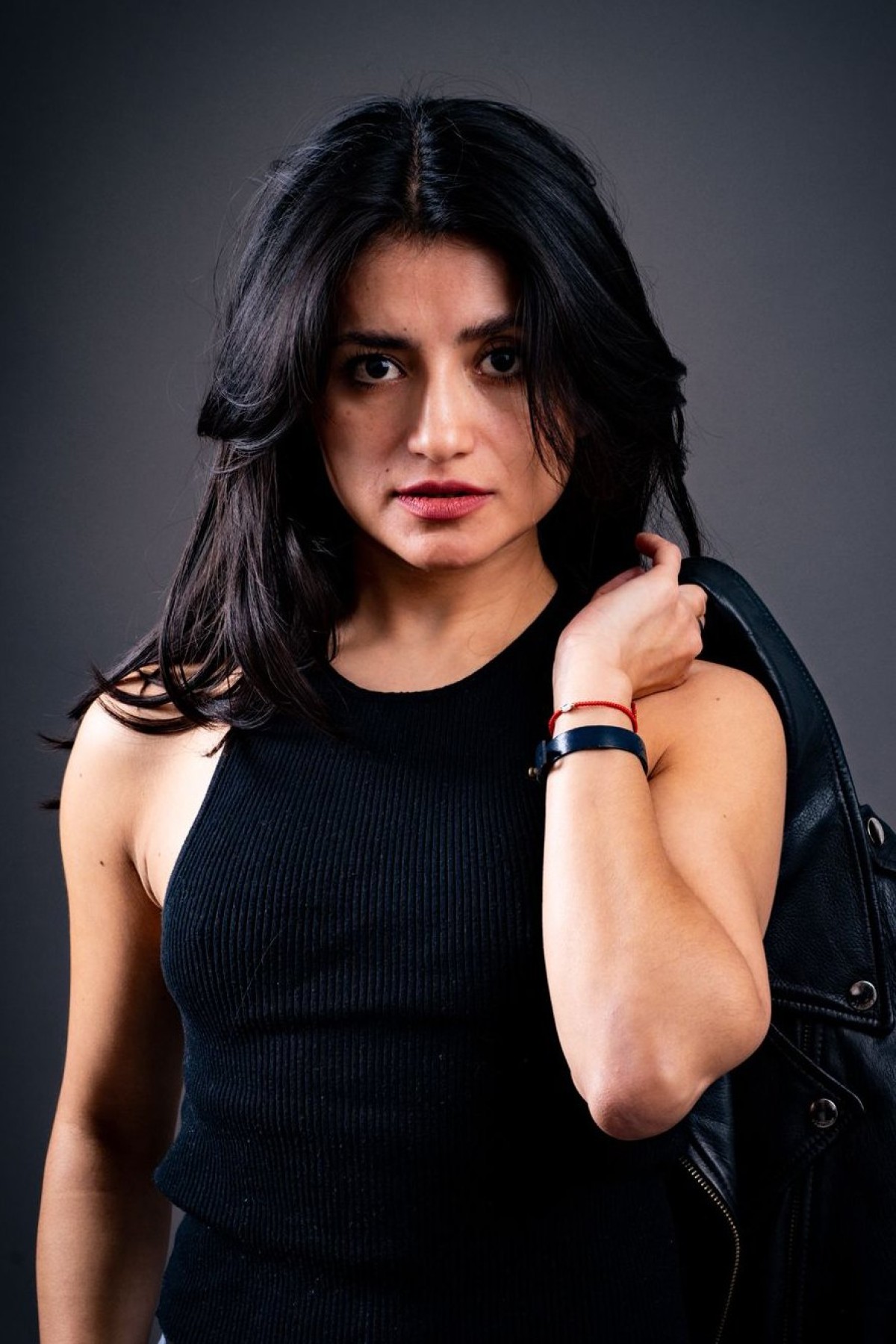
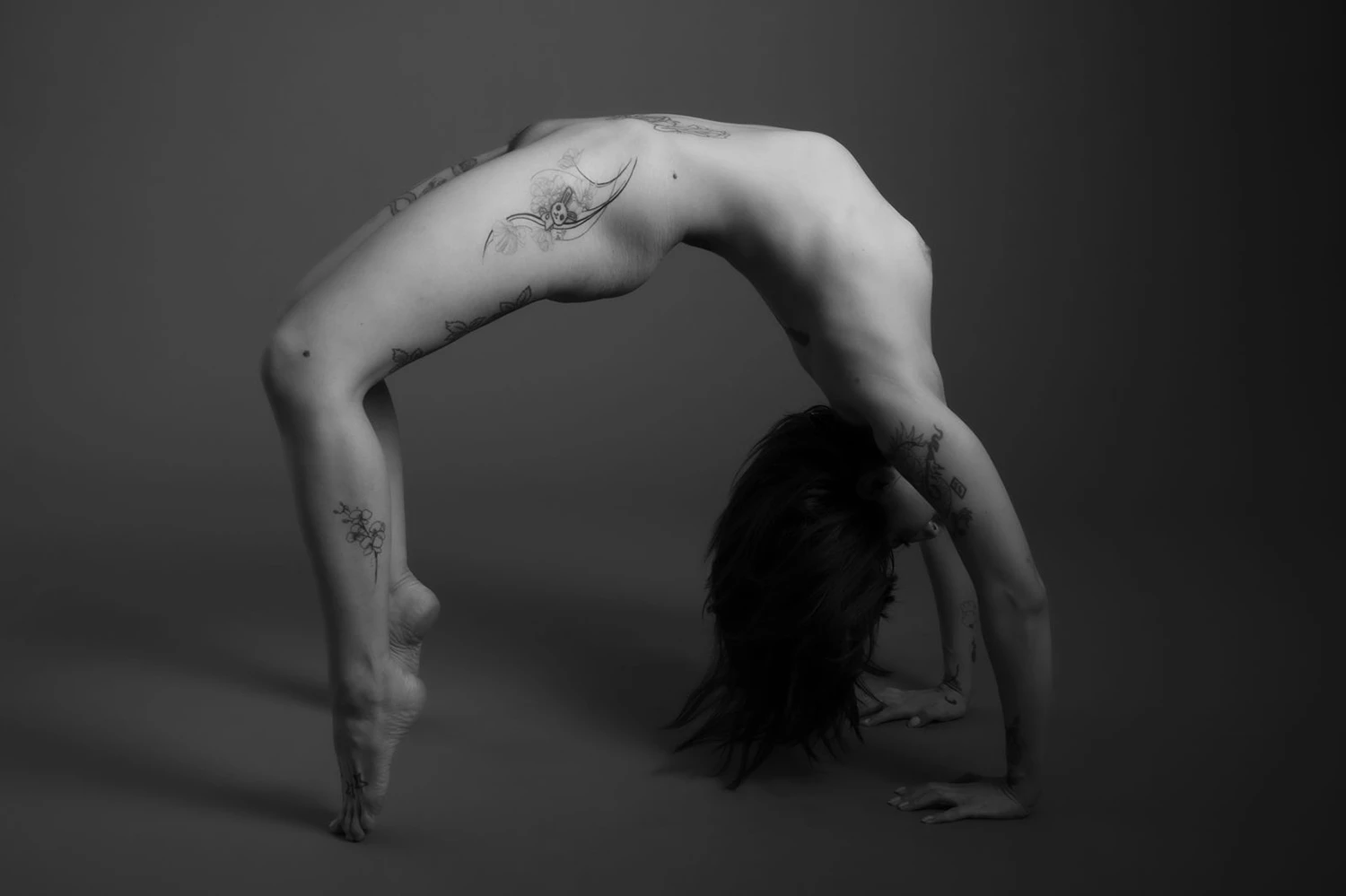
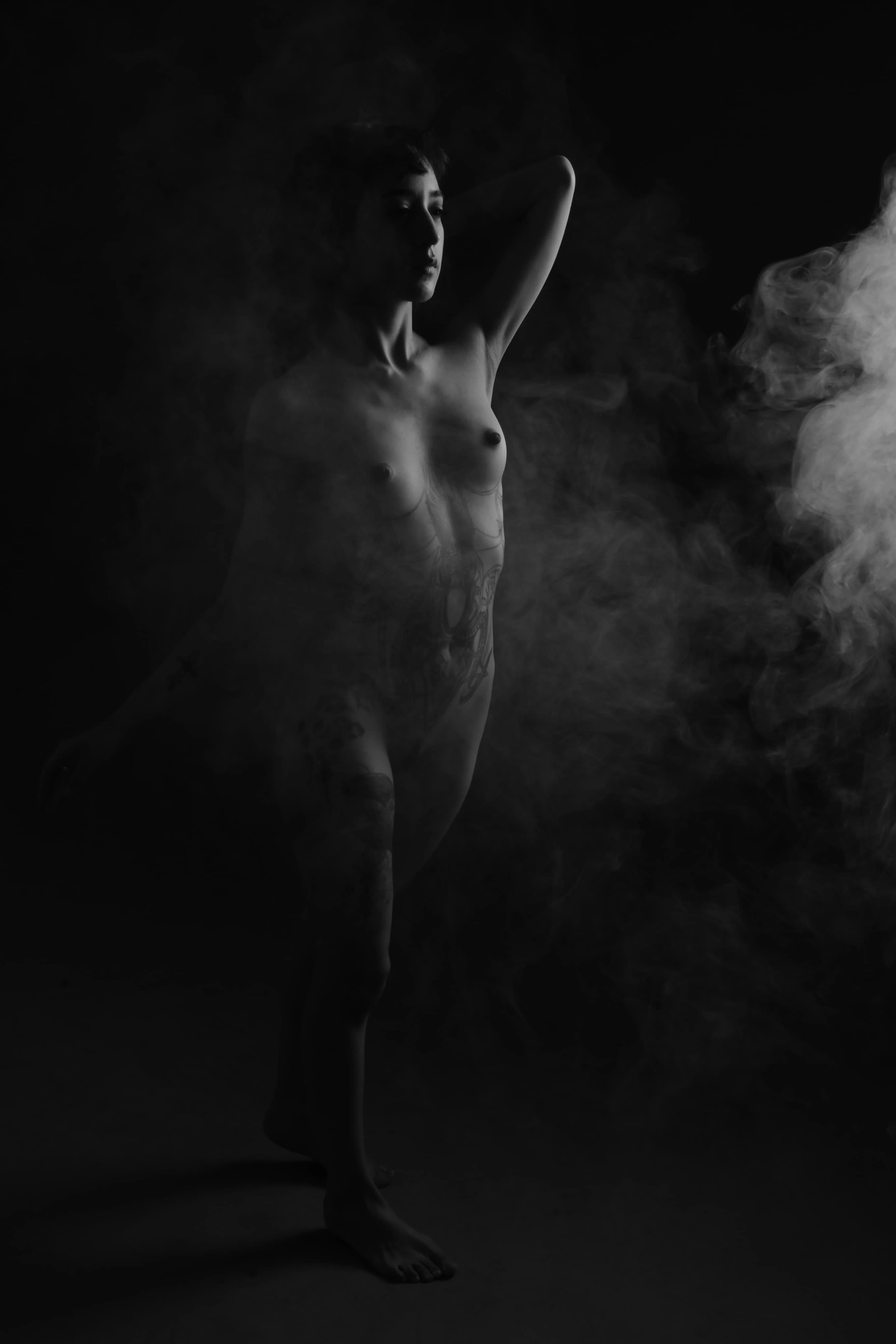
Student gallery
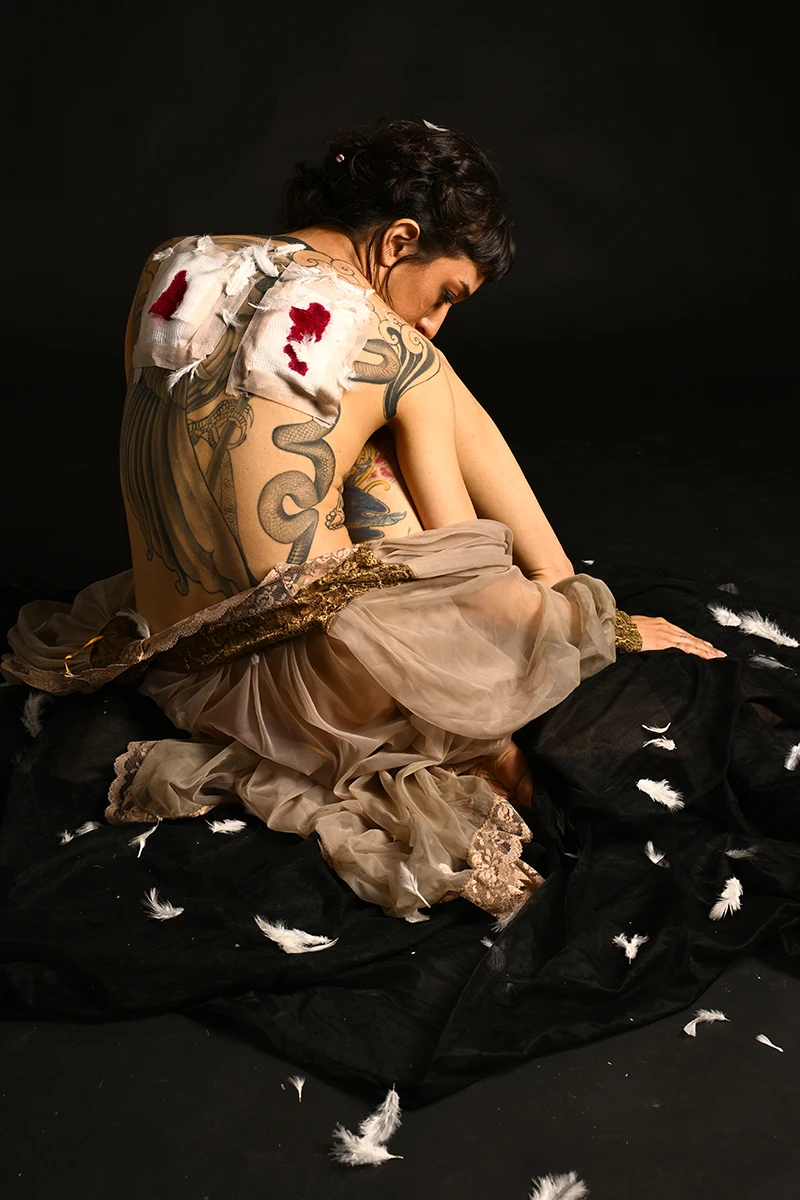
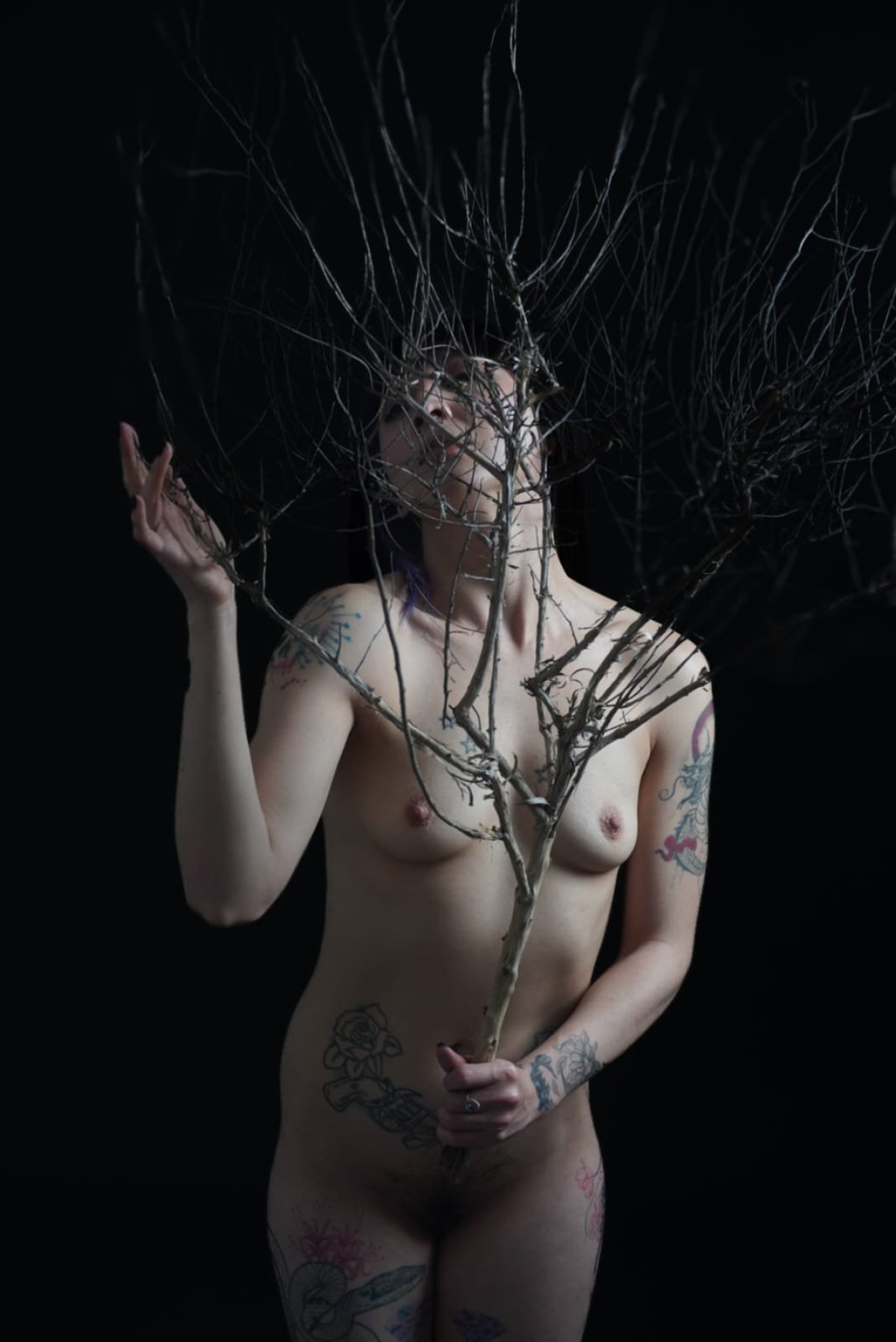
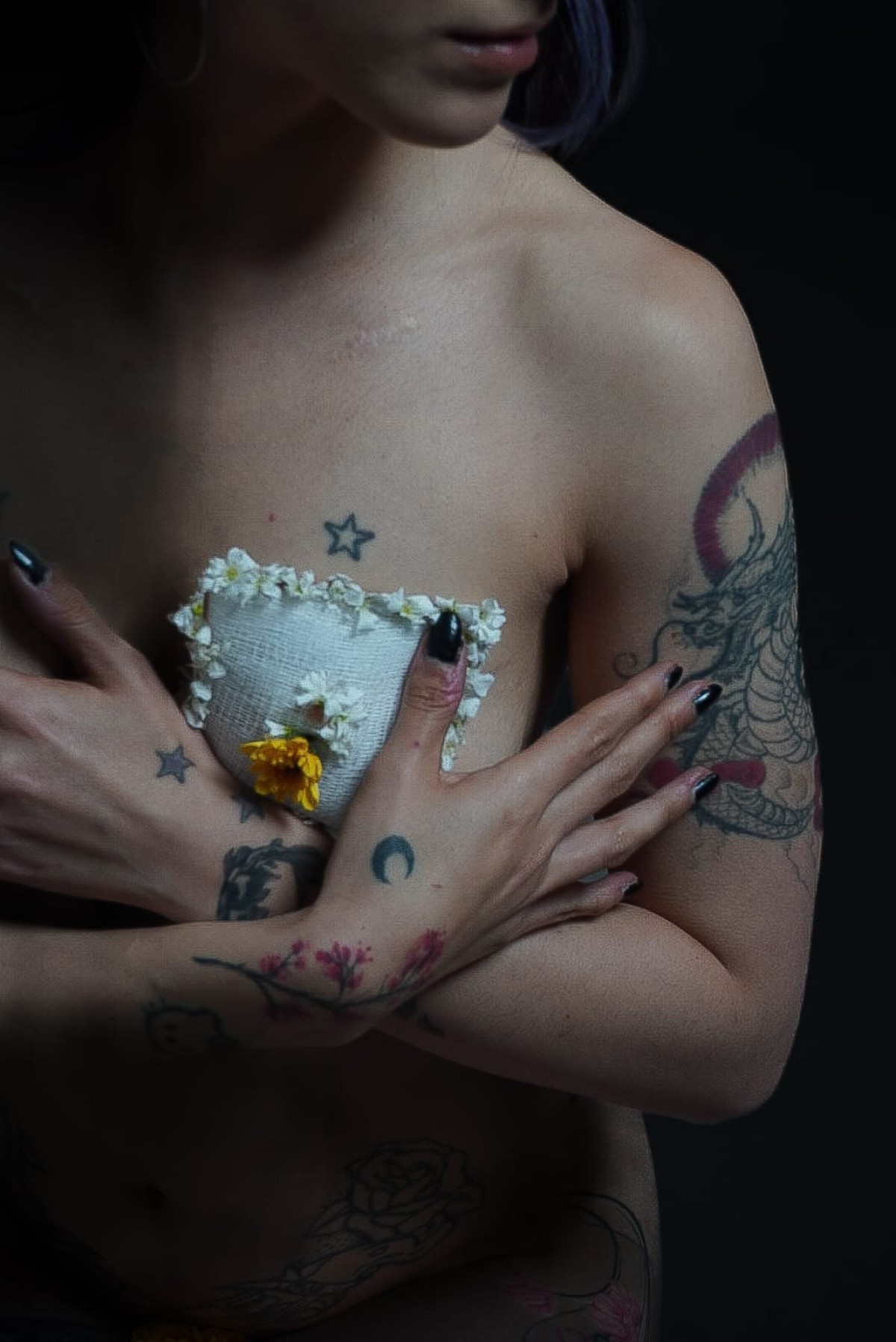
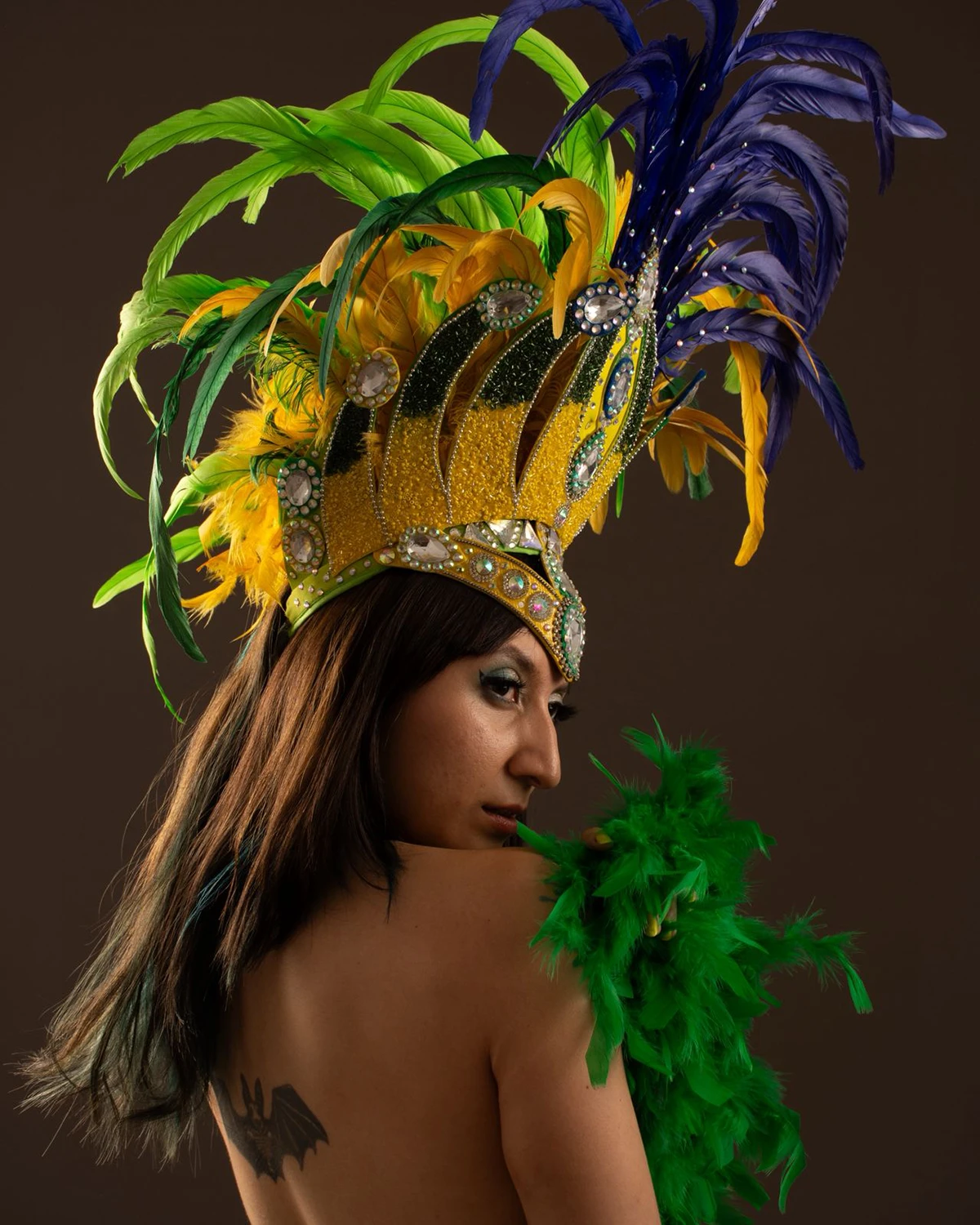
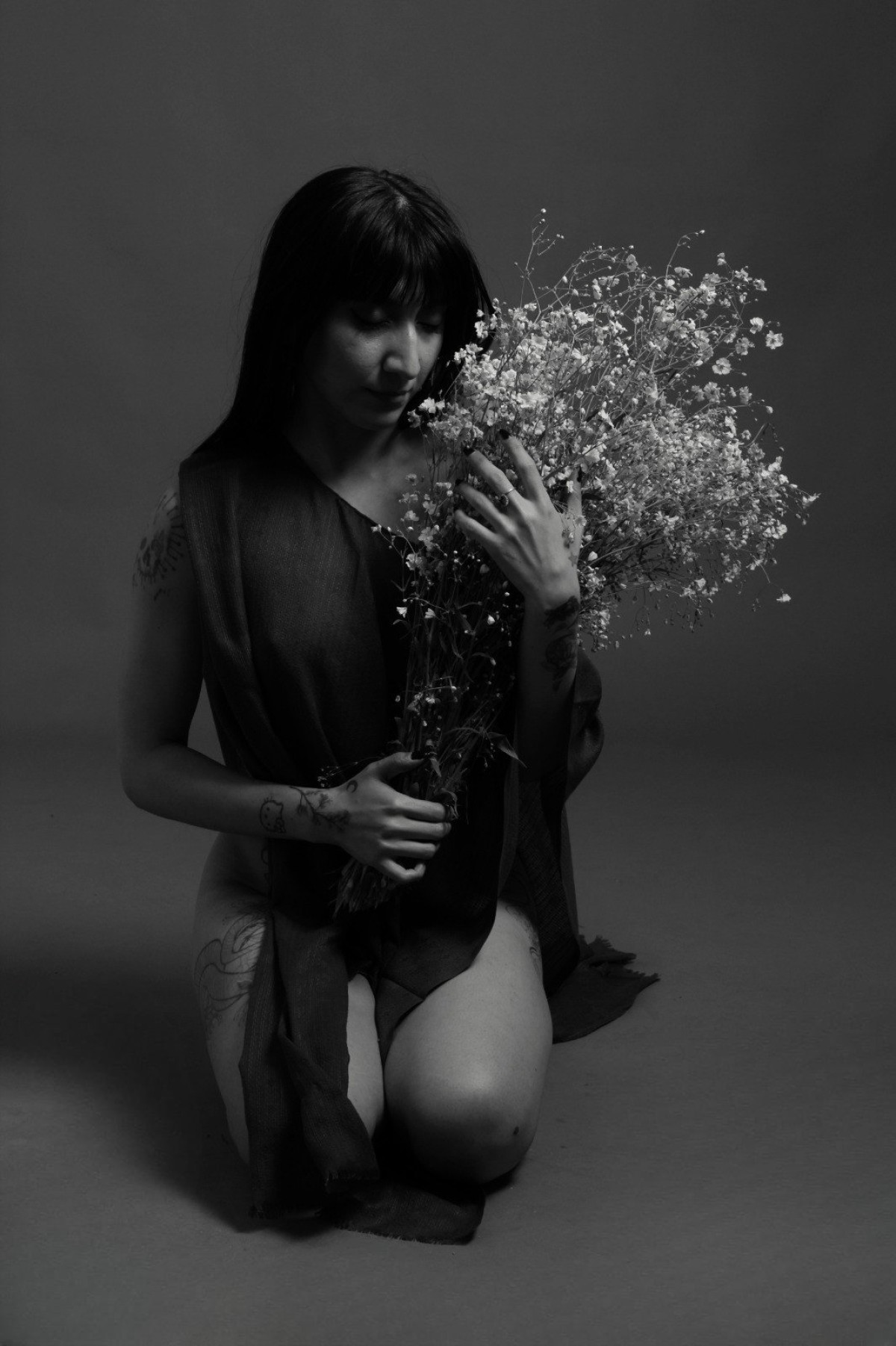
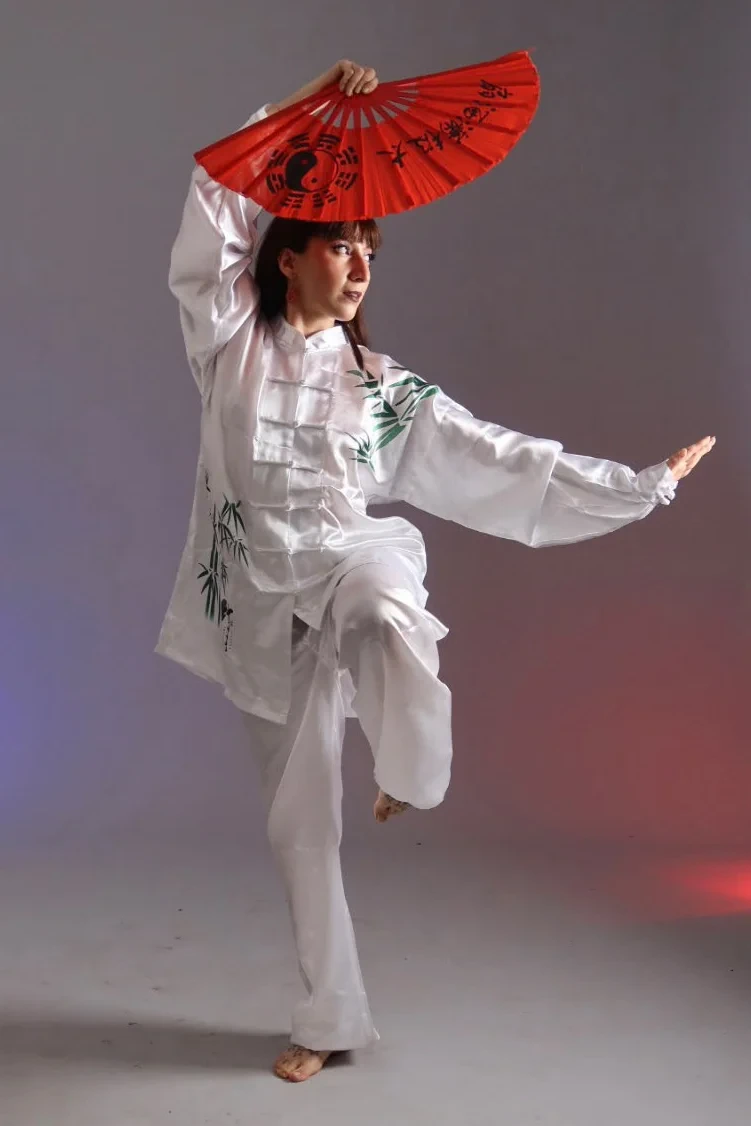
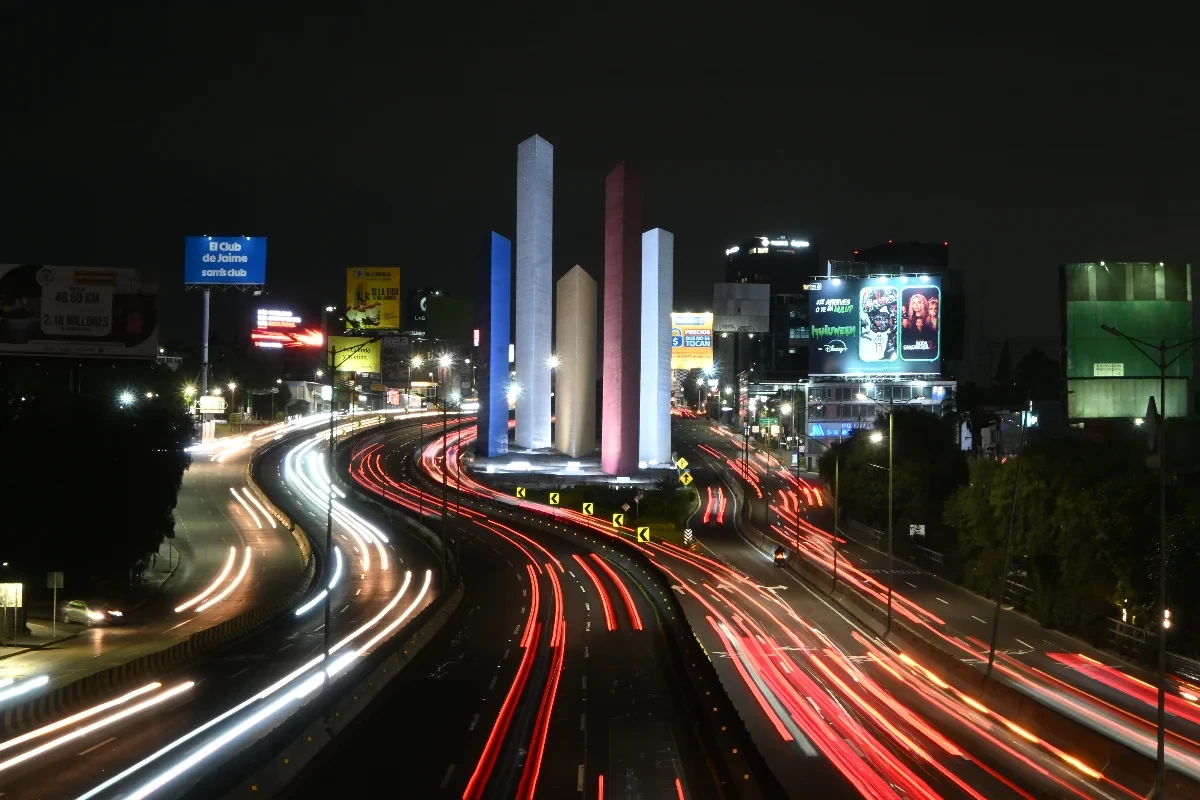
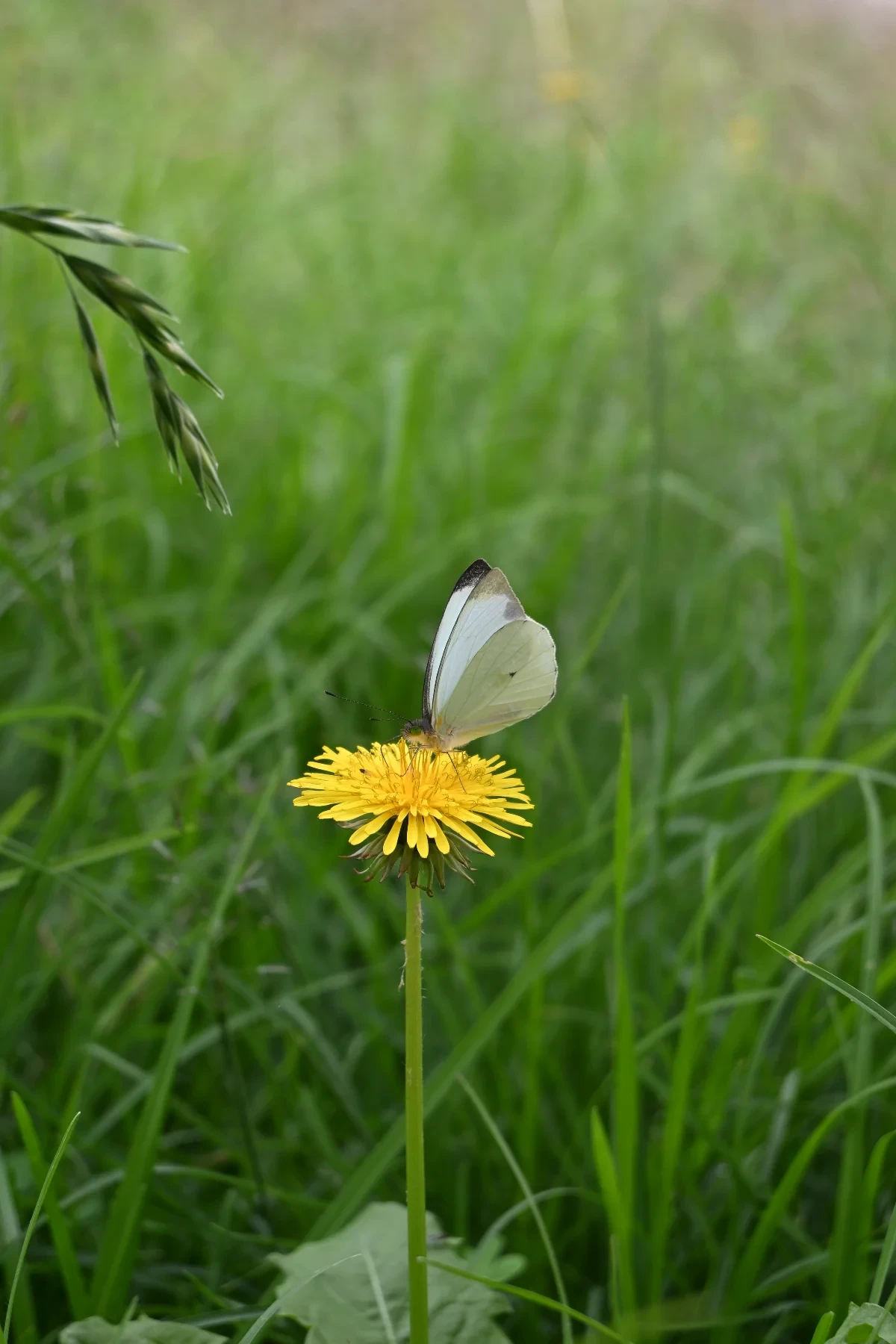
Teacher
Offered by
Instituto IMAGO
School · 20 programs
El Instituto IMAGO nació el 27 de septiembre de 2014 en un hermoso edificio de la colonia Hipódromo Condesa, en el Distrito Federal (actualmente Ciudad de México), México. El instituto ocupaba el primer piso de dicho edificio y contaba con…
See the institution and its programsRequirements
- Complete online enrolment
- You must have a digital camera with manual mode
- No prior photography knowledge required